As technology evolves, businesses replace computers, servers, and electronics more frequently than ever. However, when that equipment reaches the end of its life, many organizations are unsure of what to do next. That’s where our electronics recycling services play a critical role.
At DN Eco Solutions, electronics recycling is more than just disposal; it’s a responsible and secure process designed to protect your data, business, and the environment.
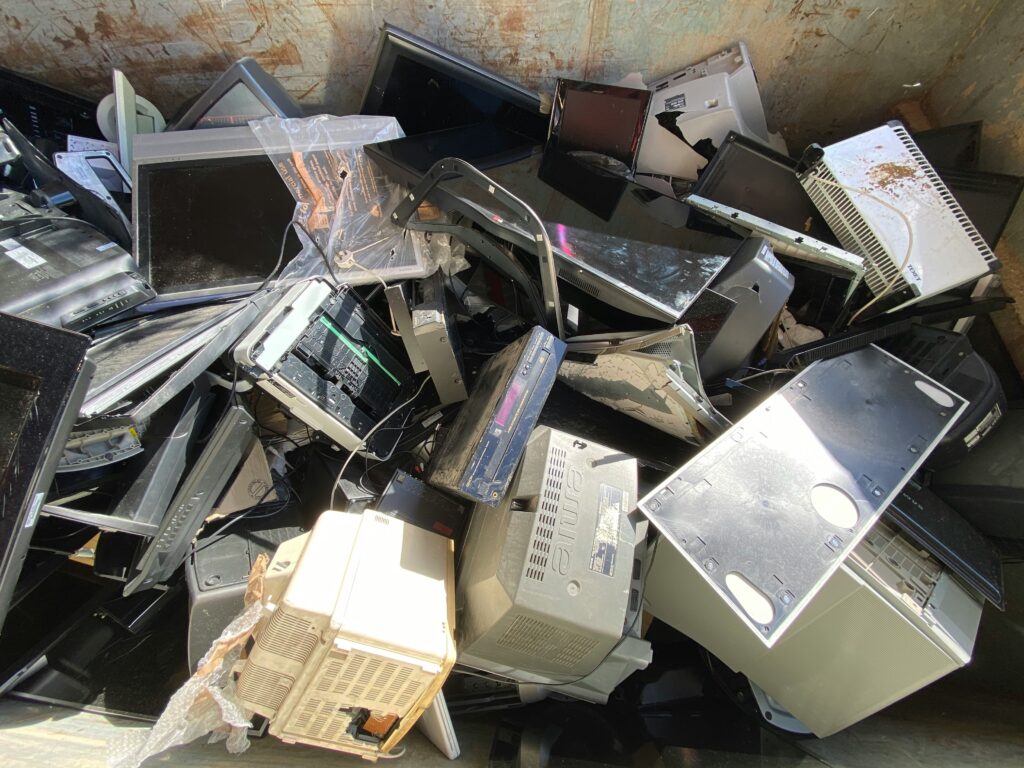
Did you know? Disposing of electronic waste improperly can lead to serious environmental and legal issues.
Many devices contain hazardous materials such as lead, mercury, and lithium. These materials should NEVER end up in landfills.
Additionally, your old electronics often store sensitive business data that must be handled carefully.
Professional electronic recycling is designed to help you and your business avoid these issues.Our services help organizations reduce environmental impact, meet regulatory and sustainability goals, eliminate storage clutter and liability, and ensure that devices are handled properly. Simply, we take the stress out of dealing with your old electronics.
What does the Electronics Recycling Process Include?
Electronics recycling services involve safely processing end-of-life technology so that material can be recovered, reused, or disposed of properly. At DN Eco Solutions, we recycle a wide range of equipment. Including computers, servers, networking equipment, monitors, peripherals, and accessories. Before the recycling begins, all the equipment is reviewed to determine the safest and most responsible path forward.
Our electronics recycling process is simple, transparent, and designed to minimize risk for your business.
How does the Electronics Recycling Process Work?
1 – Equipment Collection & Sorting
We collect your outdated or non-functional electronics and sort them based on condition and material type. This helps us determine what the remainder of the process will look like.
2 – Determine Data Security
Any device that may contain sensitive data is handled with security in mind. When required, certified data destruction is performed before electronics recycling begins. This ensures that any sensitive information is permanently destroyed.
3 – Recycling & Material Recovery
After collections and data security checks have been completed, devices are dismantled and processed through certified recycling partners. During this process, materials such as metals, plastics, and other components are recovered. Recovered materials are reused whenever possible, while hazardous materials are safely handled according to environmental standards.
4 – Documentation & Reporting
At the end of the electronics recycling process, you will receive detailed documentation. This documentation explains how your equipment was processed – supporting compliance and sustainability reporting.
What Makes DN Eco’s Electronics Recycling Different?
Not all electronics recycling services are the same. It is important to choose the service that is right for YOU and your business. At DN Eco Solutions, we focus on responsible handling at every stage of the electronics recycling process.
Electronics recycling with Dn Eco ensures that:
- Hazardous materials are kept out of landfills
- Equipment is processed through certified recycling channels
- Data security is never overlooked
- Environmental and regulatory standards are met
This approach allows you to recycle your electronics confidently. Knowing that your equipment and data are handled the right way.
When Should Businesses Use Electronics Recycling Services?
Electronics recycling is ideal for organizations that are:
- Retiring outdated or non-functional equipment
- Clearing out storage rooms or warehouses
- Upgrading technology systems
- Managing long-term IT lifecycle planning
If equipment no longer holds resale value, responsible recycling is the final and most important step.
Recycle Electronics the Right Way…
Electronics recycling isn’t just about getting rid of old devices; it’s about doing it responsibly. At DN Eco Solutions, we help businesses safely recycle end-of-life electronics while protecting data, meeting compliance requirements, and supporting sustainability goals.
Are you ready to recycle your electronics responsibly?
Contact Ustoday to learn more about our electronics recycling services and how the process works.